Mold Remediation in Simpsonville, SC
Found Mold? Don’t Wait, and Don’t Panic.
Mold grows where moisture lingers, and it often does so quietly. It can spread behind walls, under flooring, and in basements and crawl spaces long before you notice a stain or a musty smell. If you’ve discovered mold in your home or business, the growth is usually a sign of a moisture problem that needs to be found and fixed.
Recon Restoration provides professional mold remediation in Simpsonville, SC. We inspect the affected areas, locate the moisture source, contain and remove the mold, and clean and treat the space so you’re left with a safer, healthier property.
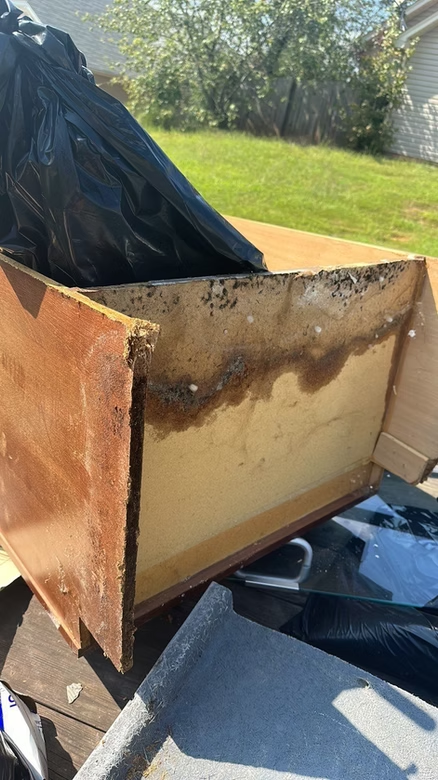
Thorough Mold Removal for Basements and Hidden Spaces
Basements, crawl spaces, and utility areas are some of the most common places for mold, because they stay damp and get little airflow. Left alone, a small patch can spread into insulation, drywall, and wood framing. Our mold removal process in Simpsonville is designed to deal with the growth itself and the conditions that allowed it, so the problem doesn’t simply come back.
Mold Starts With Moisture
Mold can be traced to many sources: plumbing leaks, burst pipes, roof leaks, a failing HVAC system, high humidity, flooding, or water damage that was never fully dried. Finding the cause is as important as removing the mold, and our team looks for both.
Serving Simpsonville and the Surrounding Upstate
We provide mold remediation for homes and businesses in Simpsonville and across the Upstate of South Carolina, including nearby Greenville, Mauldin, and Greer. If you’re not sure whether the problem is mold, call us and we’ll help you figure out the next step.

Why Is Professional Mold Remediation Important?
Finding mold is stressful, but the best response is a calm one: get it inspected and handled properly. Wiping away visible mold with household cleaners can leave the source untouched, and the growth often returns.
Professional remediation goes further. Our process typically includes inspection, moisture detection, containment of the affected area, removal of contaminated materials when necessary, HEPA air filtration, antimicrobial treatment, and thorough cleaning. We also identify the moisture problem behind the growth and recommend steps to help prevent it from returning.
Acting early matters. The longer mold has moisture to feed on, the more materials it can affect and the more extensive the repairs may become.
Mold on Top of Fire or Water Damage? We Can Handle That Too.
Mold often follows other property damage, especially water damage that wasn’t dried quickly. Recon Restoration can address everything in one project instead of making you coordinate multiple companies. Learn about our other restoration services:
Mold Remediation FAQs
How do I know if I need professional mold remediation in Simpsonville?
Signs include a musty odor, visible growth, discoloration on walls or ceilings, recent leaks or flooding, and unexplained allergy-like symptoms indoors. Because mold often hides behind walls and under floors, a professional inspection is the best way to know for sure.
What does the mold remediation process include?
It typically includes an inspection, moisture detection, containment, safe removal of contaminated materials when necessary, HEPA air filtration, antimicrobial treatments, cleaning, and recommendations to help prevent future growth.
Can I just clean the mold myself?
Small, surface-level spots may be manageable, but mold that has spread into drywall, insulation, or flooring, or that keeps coming back, usually points to a hidden moisture source. A professional can find and address that source and prevent the spread during cleanup.
Can mold affect my health?
Mold affects people differently. Some people notice allergy symptoms, respiratory irritation, or headaches, and mold can worsen asthma. Removing mold and correcting moisture problems helps create a cleaner indoor environment.
How do you help keep mold from coming back?
We address the underlying moisture source whenever possible and can recommend steps such as repairing leaks, improving drying, and controlling humidity.